Smoldering From Within: How Chronic Inflammation Quietly Destroys Erectile Function
Most men who experience erectile dysfunction search for an obvious cause — stress, age, perhaps a medication side effect. Rarely does the conversation turn to inflammation. Yet a growing body of clinical research points to chronic systemic inflammation as one of the most pervasive and underappreciated drivers of impaired erectile function in American men. It operates silently, accumulates gradually, and by the time symptoms surface, it has often been active for years.
Understanding the inflammatory pathway to erectile dysfunction is not merely an academic exercise. For many men, addressing this root mechanism produces measurable improvements in sexual performance — sometimes before any pharmaceutical intervention is even considered.
What Chronic Inflammation Actually Means
Inflammation, in its acute form, is a protective biological response. When you sprain an ankle or fight off an infection, the immune system dispatches inflammatory signals to contain damage and initiate repair. This process is both necessary and self-limiting.
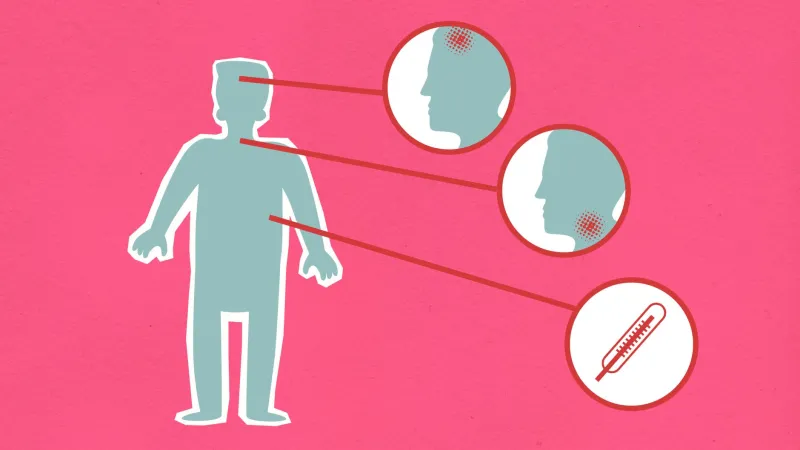
Chronic inflammation is something entirely different. It describes a state of persistent, low-level immune activation that produces no obvious symptoms yet steadily damages tissues throughout the body. Unlike the redness and swelling of acute injury, chronic inflammation smolders invisibly — measurable in the blood through biomarkers such as C-reactive protein (CRP), interleukin-6 (IL-6), and tumor necrosis factor-alpha (TNF-α), but rarely felt until downstream consequences emerge.
In the United States, chronic inflammation has become remarkably common. Researchers link it to ultra-processed diets, sedentary behavior, visceral adiposity, chronic psychological stress, poor sleep quality, and exposure to environmental pollutants including particulate matter and endocrine-disrupting chemicals found in plastics and pesticides. For many American men, several of these factors are simultaneously present.
The Endothelium: Ground Zero for Inflammatory Damage
To understand why inflammation impairs erections, one must first appreciate the role of the vascular endothelium — the single-cell-thick lining that coats every blood vessel in the body. The endothelium is not passive scaffolding. It is a metabolically active organ that continuously produces nitric oxide (NO), a molecule that signals smooth muscle in arterial walls to relax and dilate.
Erection is fundamentally a vascular event. Sexual arousal triggers a cascade that depends entirely on endothelial nitric oxide production. When the penile arteries dilate and blood flows into the corpora cavernosa, an erection occurs. When endothelial function is compromised, that cascade fails — not because desire is absent, but because the plumbing cannot respond.
Chronic inflammation attacks the endothelium directly. Circulating inflammatory cytokines reduce the expression and activity of endothelial nitric oxide synthase (eNOS), the enzyme responsible for NO production. Simultaneously, inflammation promotes oxidative stress, generating reactive oxygen species that scavenge and neutralize whatever nitric oxide is produced. The result is a state of endothelial dysfunction — reduced vasodilatory capacity, increased arterial stiffness, and impaired penile blood flow.
Multiple peer-reviewed studies have confirmed this connection. Elevated CRP levels correlate significantly with erectile dysfunction severity, independent of age and other cardiovascular risk factors. Men with the highest inflammatory burden consistently demonstrate the poorest erectile function scores on validated clinical assessments.
How Lifestyle Choices Fan the Flames
Several behaviors common in contemporary American life are particularly effective at sustaining chronic inflammatory states.
Dietary patterns represent perhaps the most modifiable driver. Diets high in refined carbohydrates, trans fats, processed meats, and added sugars activate inflammatory signaling pathways while simultaneously promoting insulin resistance and visceral fat accumulation — both of which amplify inflammation further. The Standard American Diet, aptly abbreviated SAD, is essentially a sustained inflammatory stimulus.
Physical inactivity compounds the problem. Skeletal muscle, when regularly contracted through exercise, releases anti-inflammatory myokines — signaling molecules that actively suppress systemic inflammation. A sedentary lifestyle eliminates this protective mechanism while encouraging the accumulation of visceral adipose tissue, which itself functions as an endocrine organ secreting pro-inflammatory adipokines.
Environmental toxin exposure is an often-overlooked contributor. Bisphenol A (BPA), phthalates, and persistent organic pollutants — found in food packaging, household products, and the food supply itself — have been shown to activate inflammatory pathways and disrupt hormonal balance in ways that compound erectile risk.
Chronic psychological stress maintains elevated cortisol and catecholamine levels that, over time, promote systemic inflammation and directly suppress endothelial function. The physiological cost of sustained stress is not metaphorical — it registers in measurable biomarker changes.
Anti-Inflammatory Strategies With Clinical Support
The encouraging reality is that endothelial function is highly responsive to lifestyle modification. The same plasticity that allows inflammation to erode vascular health also permits meaningful restoration through targeted interventions.
Dietary restructuring is foundational. The Mediterranean dietary pattern — characterized by abundant vegetables, legumes, whole grains, olive oil, fish, and moderate red wine consumption — has the most robust clinical evidence for reducing inflammatory markers and improving endothelial function. A landmark study published in the Journal of Sexual Medicine found that adherence to a Mediterranean-style diet significantly improved erectile function scores in men with metabolic syndrome. Specific anti-inflammatory foods with strong mechanistic support include fatty fish rich in omega-3 fatty acids (EPA and DHA), dark leafy greens, berries, tomatoes, and extra-virgin olive oil.
Regular aerobic exercise reduces CRP and IL-6 while directly stimulating eNOS activity and improving endothelial nitric oxide bioavailability. A minimum of 150 minutes of moderate-intensity aerobic activity per week — consistent with American Heart Association guidelines — produces measurable improvements in both inflammatory markers and erectile function within eight to twelve weeks.
Weight management, particularly the reduction of visceral adiposity, removes a major source of inflammatory cytokine production. Even modest reductions in waist circumference — five to ten percent of body weight — produce disproportionately large improvements in metabolic and inflammatory profiles.
Sleep optimization is frequently overlooked but clinically significant. Sleep deprivation acutely elevates CRP and IL-6 within 24 to 48 hours. Restoring consistent, high-quality sleep of seven to nine hours nightly normalizes these markers and supports the nocturnal erections that maintain penile tissue health.
Stress reduction practices — including structured mindfulness meditation, progressive muscle relaxation, and cognitive behavioral techniques — have demonstrated measurable reductions in inflammatory biomarkers in randomized controlled trials.
When Lifestyle Modification Is Not Sufficient
For some men, anti-inflammatory lifestyle changes produce significant improvements in erectile function without additional intervention. For others, vascular damage may have progressed to a degree that warrants medical treatment alongside lifestyle modification.
Phosphodiesterase type 5 (PDE5) inhibitors — the class of medications that includes sildenafil — work by amplifying the nitric oxide signaling cascade that chronic inflammation has suppressed. They do not address the underlying inflammatory process, but they can restore functional erectile capacity while longer-term lifestyle interventions take effect. This complementary approach — treating both the mechanism and the symptom — represents current best practice in sexual medicine.
At SildenafilX, we recognize that effective erectile dysfunction care begins with understanding. Men who grasp the inflammatory roots of their condition are better equipped to make the sustained lifestyle changes that produce durable results, and better positioned to use medical therapies intelligently when appropriate.
A Final Word on Inflammatory Awareness
Chronic inflammation does not announce itself. It produces no pain, no visible symptoms, and no urgent warning. It simply accumulates — in arterial walls, in endothelial cells, in the molecular machinery of sexual response — until function begins to fail.
The good news is that this process is neither inevitable nor irreversible. The foods consumed at dinner, the decision to walk rather than sit, the hours devoted to sleep — each of these choices either feeds the fire or helps extinguish it. For men concerned about erectile health, few investments carry a higher return than taking chronic inflammation seriously.