Resting to Perform: The Overlooked Connection Between Sleep Quality and Erectile Health
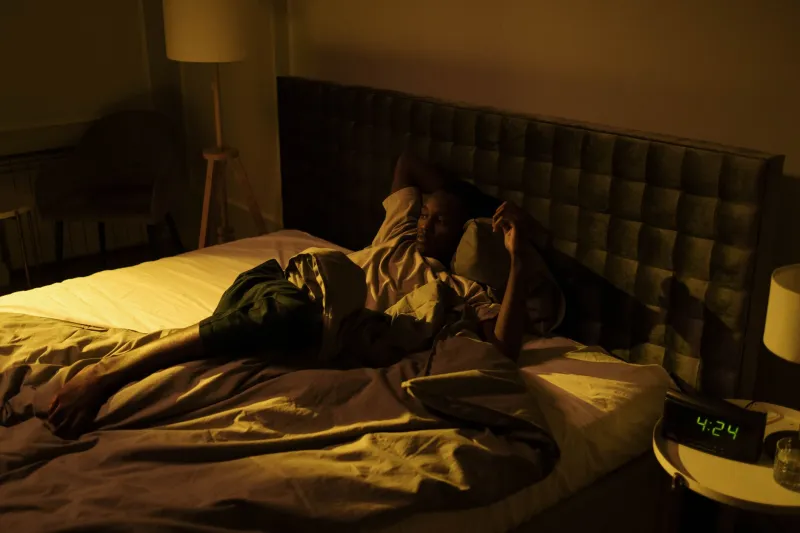
American men are famously poor sleepers. The Centers for Disease Control and Prevention estimates that roughly one in three adults in the United States does not get sufficient sleep on a regular basis. Simultaneously, erectile dysfunction affects tens of millions of men across the country. These two statistics are not coincidental. A growing body of clinical evidence draws a direct, mechanistic line between inadequate rest and impaired erectile function—one that deserves far more attention than it typically receives in mainstream conversations about men's health.
Why Sleep Is Not Passive Recovery
Many men think of sleep as simply "turning off" for a few hours. Physiologically, the opposite is true. During sleep—particularly during deep, slow-wave stages and REM cycles—the body undertakes a cascade of restorative processes that are essential to cardiovascular health, hormonal balance, and neurological function. All three of these systems are directly implicated in the erectile response.
Testosterone synthesis, for instance, is heavily concentrated during sleep. Studies published in peer-reviewed journals have demonstrated that men who sleep fewer than five hours per night can experience testosterone reductions equivalent to aging ten years in a single week. Since testosterone plays a central role in libido, arousal signaling, and overall sexual function, even moderate sleep restriction carries measurable consequences.
Beyond hormones, sleep is when the body repairs endothelial cells—the thin layer of tissue lining blood vessels. Healthy endothelial function is critical for the vasodilation process that produces and sustains an erection. Chronic sleep deprivation damages this lining, reduces nitric oxide availability, and contributes to the same vascular dysfunction that underlies cardiovascular disease. For men already managing risk factors like hypertension or elevated cholesterol, poor sleep compounds existing vulnerabilities in ways that directly affect sexual performance.
The Cortisol Problem
Sleep deprivation does not merely reduce beneficial hormones—it actively elevates harmful ones. When a man consistently under-sleeps, his body interprets the deficit as a physiological stressor and responds by increasing cortisol production. Cortisol, the primary stress hormone, operates in direct opposition to testosterone. Elevated cortisol suppresses gonadotropin-releasing hormone, reduces luteinizing hormone output, and ultimately curtails testosterone synthesis at the source.
This hormonal imbalance creates a self-reinforcing cycle. Low testosterone reduces sleep quality by disrupting REM architecture. Poor sleep then further suppresses testosterone. Meanwhile, elevated cortisol heightens psychological anxiety, which—as any man familiar with performance-related stress knows—introduces a psychological barrier on top of the physiological one. The body and mind become co-conspirators in undermining sexual function.
Nocturnal Erections as a Diagnostic Signal
Healthy men experience three to five nocturnal erections per sleep cycle, a phenomenon known as nocturnal penile tumescence (NPT). These episodes serve a biological purpose: they oxygenate penile tissue and help maintain smooth muscle health. They also function as a useful clinical indicator. When NPT is absent or significantly reduced, it often signals underlying vascular or neurological issues rather than purely psychological ones.
Sleep disorders such as obstructive sleep apnea are particularly destructive to NPT. Sleep apnea causes repeated drops in blood oxygen levels throughout the night, placing the cardiovascular system under intermittent stress and suppressing the hormonal environment necessary for nocturnal erections. Research indicates that men with untreated obstructive sleep apnea have significantly higher rates of erectile dysfunction than the general population—and that treating the sleep disorder frequently improves erectile function even without additional ED-specific interventions.
For any man experiencing ED who has not been evaluated for sleep apnea, raising the question with a physician is a worthwhile step. The condition is common, underdiagnosed, and highly treatable.
Where Conventional Sleep Advice Falls Short
Standard sleep hygiene recommendations—consistent bedtimes, limiting screen exposure before bed, keeping the bedroom cool and dark—are genuinely useful. However, they rarely address the specific physiological needs of men whose sleep disruption is intertwined with hormonal dysfunction or cardiovascular compromise. A man whose testosterone is chronically suppressed may find that even seven hours of sleep feels unresting because the hormonal environment needed for restorative sleep is itself impaired.
This is why addressing sleep in isolation, without considering the broader hormonal picture, often produces incomplete results. Men dealing with both sleep difficulties and erectile dysfunction benefit from a more integrated approach—one that treats the two conditions as connected rather than independent.
Practical Strategies Tailored to Sexual Health
The following approaches go beyond generic sleep advice and address the specific mechanisms that link rest quality to erectile function.
Prioritize sleep duration before optimizing architecture. Before experimenting with sleep stages or supplements, establish a non-negotiable minimum of seven to nine hours in bed. Duration is the foundation upon which all other sleep improvements depend. No amount of optimization compensates for a chronically short sleep window.
Limit alcohol, particularly in the evening. While alcohol may initially promote drowsiness, it fragments REM sleep, suppresses testosterone synthesis, and impairs the nocturnal erection cycles that maintain penile tissue health. Men who consume alcohol regularly and experience ED should consider this connection carefully.
Evaluate sleep position and breathing. Loud snoring, waking with headaches, or daytime fatigue despite adequate time in bed are all indicators that warrant a sleep study. Treating sleep apnea with a CPAP device or other interventions has demonstrated meaningful improvements in erectile function in multiple clinical studies.
Manage evening cortisol deliberately. High-intensity exercise late at night, contentious conversations before bed, and excessive news or social media consumption all elevate cortisol at a time when the body needs it to decline. Establishing a wind-down period of 45 to 60 minutes before sleep—characterized by low stimulation and relaxation—supports the hormonal transition into restorative sleep.
Consider morning light exposure. Natural light in the first hour after waking reinforces circadian rhythm, which governs both sleep quality and hormonal release patterns. This simple, zero-cost intervention has outsized effects on the hormonal environment that supports both sleep and sexual health.
Integrating Sleep With Broader ED Management
For men currently using prescription ED medications or exploring treatment options, sleep optimization functions as a force multiplier rather than an alternative. Phosphodiesterase-5 inhibitors work by enhancing the vascular response to sexual stimulation, but their effectiveness is influenced by the hormonal and cardiovascular environment in which they operate. A man whose testosterone is suppressed from chronic sleep deprivation, or whose endothelial function is compromised, may find that treatment outcomes improve meaningfully when sleep quality is addressed alongside pharmacological support.
At SildenafilX, we recognize that erectile health is rarely the product of a single variable. Sleep is one of the most accessible and impactful factors a man can address—and yet it is consistently underemphasized in conversations about sexual health. Whether you are just beginning to explore treatment options or are already managing ED with medical support, taking sleep seriously is not optional. It is foundational.
If you have questions about how your current health status may be affecting your treatment outcomes, consulting with a licensed healthcare provider is always the appropriate first step. Discreet, convenient access to that conversation is precisely what platforms like ours are designed to provide.