When More Becomes Less: How Overtraining Quietly Undermines Male Sexual Health
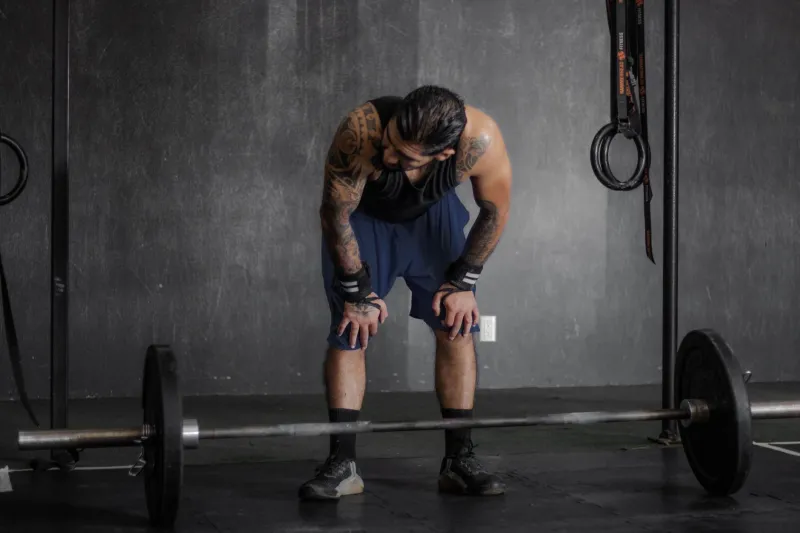
For decades, the prescription for better sexual health has included a familiar recommendation: exercise more. And the evidence supporting moderate physical activity is genuinely compelling. Regular cardiovascular training improves endothelial function, enhances blood flow, reduces body fat, and supports healthy testosterone production — all of which are directly relevant to erectile function. Yet a growing body of clinical literature is complicating that narrative in ways that deserve serious attention.
For a subset of men — particularly those who train at high volumes or intensities without adequate recovery — the gym may not be the solution to their sexual health concerns. It may, in fact, be a contributing cause.
The Hormonal Cost of Chronic Overexertion
Testosterone sits at the center of male sexual physiology. It governs libido, supports the neurological pathways involved in arousal, and plays a structural role in maintaining the vascular health necessary for erections. When training loads exceed the body's capacity to recover, testosterone production is among the first systems to be compromised.
Research published in sports medicine and endocrinology literature consistently documents a phenomenon known as exercise-induced hypogonadism — a functional suppression of testosterone that emerges in men who train excessively without sufficient rest. This is not a minor fluctuation. In some documented cases, testosterone levels in overtrained male athletes have fallen into ranges typically associated with clinical hypogonadism, producing symptoms that include reduced libido, difficulty achieving or sustaining erections, fatigue, and mood disturbances.
The mechanism is rooted in the hypothalamic-pituitary-gonadal axis. When the body perceives chronic physical stress — the kind generated by repeated high-intensity sessions without adequate recovery windows — it begins suppressing gonadotropin-releasing hormone. This cascade reduces luteinizing hormone output and, consequently, signals the testes to produce less testosterone. The body, in essence, interprets overtraining as a survival threat and deprioritizes reproduction accordingly.
Cortisol: The Hormonal Antagonist
Compounding the testosterone suppression is the corresponding elevation in cortisol that accompanies overtraining. Cortisol and testosterone share a well-documented antagonistic relationship. As cortisol rises — and it rises substantially in response to prolonged physical stress — testosterone is further suppressed through direct inhibitory effects on testicular function.
Cortisol also degrades vascular health over time. Chronically elevated cortisol promotes inflammation, impairs endothelial function, and contributes to arterial stiffness — all of which are directly relevant to erectile function. The same nitric oxide-dependent vasodilation that enables erections is sensitive to inflammatory and oxidative stress, and overtraining creates both.
For men who are already navigating risk factors for erectile dysfunction — whether cardiovascular, metabolic, or psychological — the additional hormonal burden of overtraining can tip a manageable situation into a more persistent problem.
Systemic Inflammation and Its Consequences
Muscle damage is an expected and productive byproduct of resistance training. Under normal conditions, the inflammatory response to exercise-induced micro-tears is time-limited and resolves during recovery, ultimately driving adaptation and growth. When training frequency and volume outpace recovery capacity, however, that inflammatory response becomes chronic and systemic.
Systemic inflammation affects sexual function through multiple pathways. Inflammatory cytokines interfere with nitric oxide synthesis, reducing the vasodilatory capacity necessary for adequate penile blood flow. Chronic inflammation also accelerates endothelial dysfunction — the same underlying pathology implicated in cardiovascular disease and, by extension, erectile dysfunction. Men who train hard but sleep poorly, eat inadequately, or accumulate training stress across consecutive days without rest may be generating a low-grade inflammatory state that quietly erodes their vascular and hormonal health.
Recognizing the Signs of Overtraining Syndrome
Overtraining syndrome is a clinical condition, not simply a colloquial description of fatigue. Its hallmarks include persistent performance decline despite continued training, prolonged muscle soreness, disrupted sleep, elevated resting heart rate, increased susceptibility to illness, mood changes including irritability and depression, and — crucially for this discussion — reduced libido and sexual dysfunction.
Many men dismiss these symptoms or attribute them to stress, aging, or unrelated health issues. The connection between training volume and sexual performance is rarely the first explanation considered, which means the underlying cause goes unaddressed while men continue training through a deficit that compounds over time.
If a man notices that his sexual interest or erectile function has declined during a period of intensified training — a new program, competition preparation, or simply a habit of never taking rest days — overtraining deserves serious consideration as a contributing factor.
Finding the Therapeutic Window
The goal is not to discourage exercise. The cardiovascular and metabolic benefits of consistent physical activity remain among the most evidence-supported interventions for erectile health. The objective is calibration — identifying the training intensity and volume that maximizes physiological benefit without crossing into a territory of hormonal and systemic stress.
Several practical principles are worth considering:
Prioritize recovery as seriously as training. Rest days are not a concession to weakness; they are when adaptation occurs. Most exercise physiologists recommend at least one to two full rest days per week for men engaged in moderate-to-high intensity training, with additional deload periods every four to six weeks.
Monitor subjective markers. Resting heart rate, sleep quality, mood, and libido are reliable early indicators of accumulated fatigue. A sustained decline in any of these — particularly libido — warrants a reduction in training load before symptoms escalate.
Balance training modalities. Men who combine resistance training with excessive high-intensity cardiovascular work are particularly vulnerable to overtraining syndrome. Incorporating lower-intensity movement — walking, mobility work, moderate cycling — on recovery days supports circulation without adding to systemic stress.
Support recovery nutritionally. Caloric restriction combined with high training volume is a particularly potent suppressor of testosterone. Men who train heavily while maintaining aggressive dietary deficits compound the hormonal consequences significantly. Adequate protein, carbohydrate availability, and micronutrient intake are not optional for men who train hard and want to maintain sexual health.
When Lifestyle Adjustment Is Not Enough
For some men, even thoughtful adjustments to training load and recovery do not fully resolve erectile difficulties. Overtraining may have been a contributing factor, but other underlying issues — vascular, psychological, or hormonal — may also be in play. In these circumstances, consultation with a qualified healthcare provider is the appropriate next step.
At SildenafilX, we recognize that erectile dysfunction rarely has a single cause. Our platform connects men with licensed clinicians who can evaluate the full picture — including lifestyle factors like training habits — and discuss whether prescription treatment options are appropriate. For men whose sexual health concerns persist despite lifestyle modifications, FDA-approved medications remain a well-studied, effective, and discreet solution.
The Bottom Line
Exercise is medicine. But like any medicine, the dose matters. The man who trains six days a week at high intensity, sleeps six hours a night, eats in a caloric deficit, and wonders why his sexual performance has declined may be looking for the answer in the wrong place. The physiology is unambiguous: chronic overtraining suppresses testosterone, elevates cortisol, promotes inflammation, and impairs the vascular function that healthy erections depend upon.
Optimizing sexual health through exercise means training smart, not just training hard. For many men, doing less — with more intention and more recovery — may produce better results both in the gym and in the bedroom than any additional volume ever could.